Linguistic Competence as a Foundation for Global Citizenship

Introduction

The study of language has always been intertwined with questions of identity, communication, and cultural stewardship. As the world grows more interconnected, linguistic competence is increasingly viewed not merely as a practical skill but as an essential tool for navigating complex social, academic, and professional landscapes. 

Within this broader context, the English language continues to hold a uniquely influential position across international discourse. Yet scholars emphasise that meaningful understanding requires more than grammar drills or rote memorisation; it demands an exploration of how individuals interpret, negotiate, and reshape meaning in multilingual environments.

The Intellectual Value of Linguistic Inquiry

Academic research highlights that linguistic study is closely tied to cognitive development. Analyses published by universities and international bodies show how exposure to multiple linguistic structures supports abstract thinking, problem-solving, and metalinguistic awareness. For instance, studies shared through platforms such as Linguistic Society of America emphasise how learners benefit from encountering varied syntactic patterns and semantic layers.

This intellectual enrichment becomes even more relevant when the English language functions as a bridge between cultures. Students who engage with the historical evolution of English gain deeper appreciation for its eclectic vocabulary and its role in shaping global academic and scientific dialogue.

Language as a Medium of Cultural Interpretation

Linguistic mastery is inseparable from cultural literacy. Understanding the English language within diverse cultural frames allows learners to interpret narratives, media, and interpersonal communication with nuance. Academic commentators argue that language mediates values, humour, symbolism, and collective memory. When learners develop these interpretive capacities, they are better equipped to analyse perspectives beyond their own social environments.

Furthermore, access to resources like the British Council offers additional insight into how language learning intersects with cultural exchange and public diplomacy.

Applied Linguistics and Real-World Competence

Theoretical models gain their full relevance when applied to real-world tasks. Learners encounter English not only in academic texts but also in business negotiations, digital communication, research publications, and collaborative projects. This intersection between theory and practice is often emphasised in structured study programs, including those dedicated to the English language, where students refine analytical, interpretive, and communicative abilities.

Skills Shaped Through Advanced Language Study

A rigorous curriculum in linguistics and philology typically cultivates a multidimensional skill set. Among the competencies nurtured through advanced study are:

  • Discourse analysis for evaluating how meaning is constructed in written and spoken forms
  • Pragmatic interpretation for understanding implied meaning and contextual cues
  • Research methodology for conducting empirical or theoretical linguistic studies
  • Editorial and analytical precision relevant to academic, creative, and professional writing

These abilities collectively reinforce the learner’s capacity to use the English language in professional and intercultural settings.

Language, Technology, and the Digital Sphere

Digital media introduces new linguistic phenomena: hybrid registers, platform-specific slang, and multimodal communication. Scholars increasingly examine how such developments influence comprehension and literacy. Open-access corpora and digital linguistic tools now support research that tracks lexical change, discourse patterns, and emerging grammatical features. Resources such as the European Digital Reading Lab provide valuable context for investigating how reading behaviour evolves in digital formats.

In these environments, proficiency in the English language enhances a learner’s ability to navigate global research, participate in online collaborations, and interpret multilingual content.

Interdisciplinary Perspectives on Language

Language intersects with sociology, psychology, anthropology, and communication studies. Researchers explore how identity is expressed through linguistic choices, how power dynamics are embedded in discourse, and how communities reshape language through everyday usage. These interdisciplinary insights help students understand English not as a static system but as a living, adaptable medium shaped by social forces.

As societies increasingly rely on cross-border communication, the English language remains a central instrument for academic dialogue and professional mobility. Yet its significance extends far beyond utility. Linguistic inquiry cultivates critical thinking, cultural sensitivity, and intellectual maturity. By engaging deeply with language as both a system and a cultural artifact, learners enhance their capacity to participate thoughtfully in a globalised world.


How Home Care in Austin, TX, Helps Seniors Maintain Independence and Dignity

Importance of Maintaining Independence and Dignity for Seniors

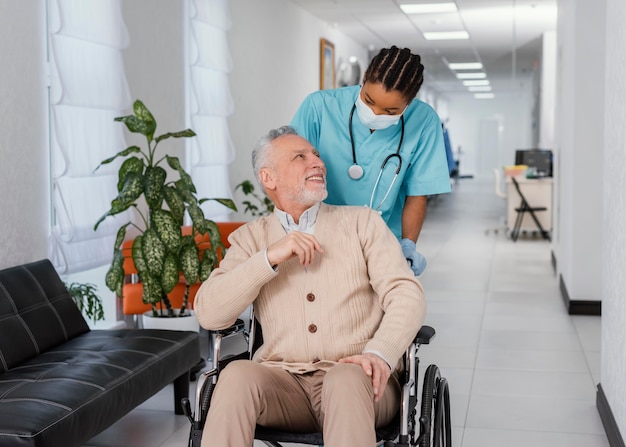
old patient suffering from parkinson

Photo by Freepik

As seniors age, maintaining their independence and dignity becomes a crucial aspect of their overall well-being. Many elderly individuals face challenges with daily activities due to physical limitations, chronic illnesses, or cognitive impairments, but they still desire to live in the comfort of their own homes. Home care in Austin, TX provides the ideal solution for seniors who wish to continue living independently while receiving the necessary support to preserve their autonomy and self-respect.

The benefits of in-home care are numerous, especially for seniors who want to maintain their usual routine in familiar surroundings. Providers like Always Best Care offer personalized care plans designed to help seniors achieve independence and dignity while providing assistance with everyday tasks. In this article, we’ll explore how home care in Austin, TX, helps seniors maintain both their independence and dignity while living safely and comfortably at home.

How Home Care in Austin, TX, Supports Seniors in Maintaining Independence

Personalized Care Plans Tailored to Seniors’ Needs

One of the greatest advantages of home care is that services are tailored to the individual needs of each senior. In-home care allows for customized care plans that address specific challenges a senior may face, whether it’s assistance with bathing, dressing, or medication management.

Always Best Care works closely with families to create a care plan that aligns with the senior’s preferences and needs. This ensures that seniors are receiving just the right level of support to help them live independently. For example, if a senior needs help with housekeeping or meal preparation, caregivers can assist without making the senior feel overwhelmed or dependent. By providing only the necessary amount of assistance, home care providers help seniors retain control over their lives and decisions, which is key to maintaining their independence.

Assistance with Daily Activities (ADLs) While Maintaining Independence

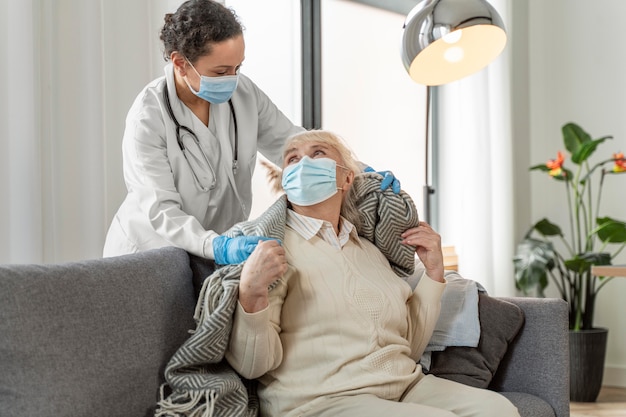
doctor taking care of senior woman

Photo by Freepik

Activities of daily living (ADLs) such as bathing, dressing, grooming, and eating can become difficult for seniors with physical or cognitive impairments. In-home caregivers play an essential role in assisting with these tasks, ensuring that seniors maintain their dignity and feel empowered while receiving help.

The key to home care is that caregivers provide assistance respectfully, allowing seniors to retain as much independence as possible. For instance, when helping a senior with bathing, caregivers assist by offering just enough support to ensure safety, while also allowing seniors to complete as much of the task as they can on their own. This fosters a sense of accomplishment and self-worth, both of which are vital for maintaining a senior’s dignity.

Encouraging Seniors to Be Active and Engaged in Their Own Lives

Maintaining an active lifestyle is an important part of senior care, and home care providers in Austin, TX help seniors stay involved in activities they enjoy. Whether it’s gardening, walking, or attending a local event, caregivers encourage seniors to participate in daily activities that promote both physical and mental well-being.

Engagement in hobbies and staying socially active is crucial for maintaining mental health and a sense of purpose. Home care providers support seniors by facilitating participation in these activities and ensuring they have the encouragement they need to stay active. This support helps seniors retain control over their daily lives while also ensuring they stay physically and mentally engaged.

How Home Care in Austin, TX, Helps Seniors Maintain Their Dignity

Respectful and Compassionate Personal Care

Dignity is an essential aspect of senior care, and home care providers prioritize maintaining a senior’s respect and privacy during every aspect of care. Tasks like bathing, toileting, and dressing can be difficult for seniors to manage on their own, but they often feel more comfortable receiving help in the privacy of their own home rather than in an institutional setting.

Professional caregivers are trained to assist with these personal care tasks in a non-intrusive and respectful manner, always ensuring the senior feels comfortable and in control. For example, caregivers at Always Best Care offer assistance with personal hygiene tasks in a way that respects the senior’s dignity, preserving their independence and emotional well-being.

Promoting Emotional and Psychological Well-Being

male doctor in nursing home wearing blue uniform helping senior woman to dress.

Photo by Freepik

In addition to physical care, emotional and psychological well-being are vital for maintaining a senior’s dignity. Many seniors face emotional challenges such as loneliness, depression, or anxiety as they age, particularly when they experience loss of independence or the inability to perform daily tasks on their own.

In-home care helps combat this by offering companionship and emotional support. Caregivers take the time to get to know the senior, engage in conversations, and provide mental stimulation through various activities. Always Best Care emphasizes the importance of building a rapport with each senior, which allows them to feel respected, valued, and emotionally supported. This is key to preserving their dignity and ensuring they are mentally and emotionally healthy.

The Role of Always Best Care in Supporting Seniors’ Independence and Dignity in Austin, TX

Always Best Care’s Commitment to Personalized, Respectful Care

Always Best Care is a trusted provider of home care services in Austin, TX, and they are committed to providing personalized, respectful care for seniors. Their caregivers are trained to understand the unique needs of each individual and ensure that seniors receive the support they need to maintain independence and dignity.

Whether seniors need assistance with personal care, medication management, or just someone to talk to, Always Best Care provides tailored care plans that ensure seniors are treated with the utmost respect. The caregivers take time to understand the preferences, routines, and wishes of each senior, which helps them feel more in control of their care and lives.

Specialized Care for Seniors with Physical or Cognitive Disabilities

Seniors with physical disabilities, such as those who have difficulty with mobility, or cognitive impairments, like dementia or Alzheimer’s, require specialized care. Always Best Care provides caregivers trained to assist with mobility issues, memory care, and other specialized needs, while still preserving the senior’s independence and dignity.

Caregivers work with seniors to develop routines that help them remain active and engaged, while also ensuring they receive the necessary support for safety. For example, seniors with Alzheimer’s may need assistance in remembering daily tasks, but caregivers focus on creating a structured environment that promotes mental clarity and allows the senior to maintain as much independence as possible.

The Benefits of Maintaining Independence and Dignity Through Home Care

female nurse drinking coffee with senior woman

Photo by Freepik

Improved Mental Health and Well-Being

Maintaining independence and dignity has profound effects on a senior’s mental health. Studies have shown that seniors who maintain control over their lives, make decisions about their care, and feel respected experience less anxiety, depression, and stress.

The emotional benefits of in-home care include increased self-esteem, confidence, and a sense of accomplishment. Seniors feel more empowered when they have control over their daily routines, whether it’s choosing their activities or managing their medication. This not only improves their quality of life but also helps them stay mentally and emotionally resilient.

Better Health Outcomes Through Personalized Care

Home care services that promote independence and dignity also lead to better health outcomes. When seniors are actively engaged in their own care and feel supported in their independence, they are more likely to follow through with health recommendations, take medications correctly, and stay on top of medical appointments. This proactive approach to care improves chronic condition management and reduces the need for emergency medical intervention.

Financial Benefits of Home Care in Austin, TX

Home Care vs. Nursing Homes and Assisted Living

The cost of in-home care is often more affordable than nursing homes or assisted living facilities. With home care, families only pay for the services they need, whether it’s a few hours of help per week or 24/7 care. Nursing homes and assisted living facilities, on the other hand, charge a fixed fee for room and board, along with basic care services, which can quickly add up to thousands of dollars each month.

For seniors who need minimal assistance but wish to stay in their own home, home care offers a more flexible and cost-effective option that still provides high-quality support. Families can choose a care plan that fits their budget while ensuring their loved one’s needs are met.

medium shot health worker helping patient

Photo by Freepik

Financial Assistance for Home Care Services

There are several options for families to help cover the cost of home care. Medicare may cover some home health services, such as nursing visits and physical therapy, while Medicaid can provide assistance for seniors who meet income requirements. Long-term care insurance can also help pay for in-home care services, especially for families planning for long-term care needs.

Always Best Care can help families navigate these financial resources and determine how to make home care more affordable.

Home Care in Austin, TX, is the Key to Maintaining Seniors’ Independence and Dignity

Home Care in Austin TX is a vital service for seniors who wish to maintain their independence and dignity while receiving the support they need to age in place. From personal care services to companionship, medication management, and specialized care, home care providers like Always Best Care ensure that seniors live fulfilling lives without compromising their autonomy or respect.

By choosing home care, families can provide their loved ones with the personalized care they deserve, helping them stay healthy, happy, and independent in their own homes. If you are looking for home care services in Austin, TX, contact Always Best Care today to learn more about their compassionate care options.

happiness cheerful elderly woman and men talking with female caregiver nurse doctor having health checking consult at living areacaretakers with senior couple sitting in living room at nursing home

Photo by Freepik

FAQ Section

Q1: What types of home care services are available in Austin, TX?
A1: Home care services in Austin include personal care, companionship, medication management, nursing services, and specialized care for conditions like dementia and Alzheimer’s.

Q2: How can home care help seniors maintain their independence?
A2: Home care providers assist with daily tasks like bathing, dressing, and meal preparation while respecting the senior’s ability to make decisions and maintain control over their routine.

Q3: What does dignity mean in home care services?
A3: Dignity in home care means providing respectful, non-intrusive assistance, ensuring that seniors feel valued, safe, and empowered throughout the care process.

Q4: How does Always Best Care ensure dignity and independence for seniors?
A4: Always Best Care provides personalized care plans that allow seniors to maintain their routines, stay socially engaged, and receive assistance with tasks in a respectful, supportive manner.

Q5: What are the emotional benefits of home care for seniors?
A5: Home care helps reduce social isolation, anxiety, and depression, providing companionship and encouraging emotional well-being through consistent, positive interaction.

How In-Home Care in Jacksonville, FL Can Support the Active Lifestyle of Seniors

Importance of Maintaining an Active Lifestyle in Later Years

community support and kindness of people depicted in a cinematic style scene

Photo by Freepik

As we age, the importance of maintaining an active lifestyle becomes increasingly clear. Staying active has been shown to improve cardiovascular health, enhance mobility, reduce the risk of chronic diseases, and even boost mental health. For many seniors, the ability to continue enjoying their favorite activities—whether it’s gardening, walking on the beach, or simply spending time with family and friends—plays a crucial role in their overall well-being.

However, as seniors age, certain physical, mental, or emotional challenges can make it more difficult to remain active. That’s where in-home care in Jacksonville, FL, comes in. With the right support, seniors can continue living in the comfort of their homes while maintaining an active and independent lifestyle.

This article explores how Home Care in Jacksonville FL, provided by reputable agencies like Always Best Care, can support seniors in maintaining an active lifestyle, ensuring they enjoy their golden years with both health and happiness.

1. Understanding the Role of In-Home Care in Supporting Seniors’ Independence

volunteers helping elderly people illustrated

Photo by Freepik

The beauty of in-home care in Jacksonville, FL, is its flexibility. Unlike institutionalized care, such as nursing homes or assisted living facilities, in-home care allows seniors to remain in the comfort of their own homes, where they are familiar with their surroundings and have easy access to their daily routines. This option enables seniors to receive the support they need to live independently without having to leave behind the environment they love.

Personalized Care Plans for Active Seniors

One of the primary reasons seniors thrive with in-home care is the personalized approach that professional caregivers provide. Each senior has unique needs, and Always Best Care in Jacksonville, FL, works closely with families to create individualized care plans that reflect their loved one’s physical, emotional, and social needs.

Care plans are designed to help seniors maintain their independence while providing the necessary assistance for daily tasks, medication management, mobility support, and more. These personalized plans allow seniors to remain as active and engaged in life as possible, without sacrificing the help they need to stay safe and healthy.

2. How In-Home Care Enhances Physical Activity for Seniors

Physical activity is one of the cornerstones of a healthy, active lifestyle, and in-home care in Jacksonville, FL, is instrumental in helping seniors stay physically active and engaged. As we age, mobility issues, balance concerns, and chronic health conditions can make it difficult to maintain regular physical activity. This is where professional caregivers step in, offering the support and encouragement necessary to keep seniors moving.

Assistance with Exercise and Physical Therapy

nurse taking care of an old woman

Photo by Freepik

Regular exercise is essential for seniors to maintain muscle strength, flexibility, and joint mobility. Caregivers from in-home care agencies in Jacksonville, FL, can help seniors with daily exercises, stretching routines, and even assist with physical therapy if needed.

For example, a caregiver might guide a senior through gentle exercises tailored to their specific needs—whether it’s light stretching for those with arthritis, walking for cardiovascular health, or balance exercises for those at risk of falls. By incorporating exercise into a senior’s daily routine, home care providers help keep seniors physically active and ensure they stay mobile as they age.

Fall Prevention and Mobility Assistance

Falls are one of the leading causes of injury among seniors, and they can significantly impact an older adult’s ability to stay active. According to the Centers for Disease Control and Prevention (CDC), one in four older adults experiences a fall each year, with many suffering from injuries that lead to a decreased quality of life.

In-home care in Jacksonville, FL helps reduce the risk of falls through a combination of mobility assistance, home modifications, and fall prevention strategies. Caregivers can assist seniors with walking, transferring from bed to chair, and moving around the home safely. Additionally, caregivers help identify potential hazards within the home, such as loose rugs or dimly lit hallways, and make necessary adjustments to improve safety.

3. Social Engagement and Mental Stimulation in In-Home Care

In addition to physical health, mental and emotional health plays a significant role in a senior’s ability to live an active and fulfilling life. Social isolation and a lack of mental stimulation can lead to depression, cognitive decline, and a decreased sense of purpose. In-home care in Jacksonville, FL provides seniors with much-needed companionship, emotional support, and opportunities for mental engagement.

Reducing Loneliness and Isolation

One of the biggest challenges seniors face, especially those living alone, is loneliness. In-home care agencies help address this issue by providing caregivers who offer consistent companionship. Caregivers not only assist with daily tasks but also engage in meaningful conversations, participate in activities, and encourage seniors to stay socially active.

By spending time with seniors, caregivers help combat isolation and reduce the risk of depression, which is a common issue among older adults. Regular social interaction is key to maintaining emotional health, and having a caregiver around helps create a supportive and connected environment.

Keeping Seniors Mentally Stimulated

Mental stimulation is essential for seniors to maintain cognitive function and avoid mental decline. Home care providers engage seniors in activities that challenge their minds and keep them mentally active. For example, caregivers may encourage seniors to play memory games, solve puzzles, read books, or engage in hobbies like knitting or painting. These activities stimulate the brain, keep it sharp, and contribute to a sense of accomplishment.

Additionally, Always Best Care in Jacksonville, FL, offers personalized activities that align with each senior’s interests, helping them feel more engaged and purposeful. Whether it’s learning new skills, participating in arts and crafts, or exploring hobbies, these activities help seniors maintain cognitive function while also providing fun and enjoyment.

4. Specialized In-Home Care for Seniors with Chronic Conditions

realistic scene with health worker taking care of elderly patient

Photo by Freepik

Many seniors live with chronic conditions, such as arthritis, diabetes, heart disease, or respiratory issues. These conditions can make staying active and maintaining independence more challenging. In-home care in Jacksonville, FL offers specialized services to help seniors manage these conditions and maintain an active lifestyle despite their health challenges.

Managing Chronic Conditions at Home

One of the benefits of in-home care is that it allows seniors to manage their chronic health conditions at home with the help of trained caregivers. Caregivers can monitor vital signs, assist with medication administration, and help seniors adhere to their prescribed treatment plans. This support ensures that seniors can manage their health and continue with daily activities without the constant need for hospital visits.

For instance, caregivers can assist seniors with mobility challenges caused by arthritis, provide wound care for those with diabetes, or support heart disease management through weight monitoring and physical activity. With personalized care, seniors are empowered to manage their conditions and stay active.

Medication Management and Health Monitoring

Seniors with chronic conditions often take multiple medications, which can be difficult to manage without assistance. Home care agencies like Always Best Care in Jacksonville, FL, provide medication management services to ensure that seniors take their medications as prescribed and avoid complications.

Caregivers can organize medications, provide reminders, and monitor for side effects. They also track health metrics like blood sugar levels, blood pressure, and weight, making sure that any health changes are noticed and addressed promptly. This proactive approach to health monitoring allows seniors to manage their conditions more effectively, supporting their ability to stay active and engaged.

5. The Role of Technology in Supporting Active Lifestyles for Seniors

In today’s digital age, technology plays an essential role in enhancing in-home care and promoting an active lifestyle for seniors. From telehealth services to smart home devices, technology helps seniors stay connected, track their health, and engage in activities more easily.

Using Smart Home Technology for Safety and Independence

Smart home technology is one of the most exciting developments in in-home care. Devices like smart speakers, fall detection sensors, and medication reminders enhance seniors’ independence and safety while allowing them to continue leading active lives.

For example, smart speakers like Amazon Alexa or Google Assistant allow seniors to easily set reminders, control household devices, and even make video calls to family members. Additionally, smart sensors can detect falls and alert caregivers or emergency services immediately, preventing serious injuries.

With the help of Always Best Care in Jacksonville, FL, seniors can enjoy a more independent lifestyle with the support of smart home devices that keep them safe and engaged.

Telehealth and Remote Monitoring for Active Seniors

Telehealth services are becoming an integral part of in-home care. With telehealth, seniors can have virtual consultations with healthcare professionals, reducing the need for in-person visits and making it easier to manage their health from home.

Remote monitoring tools also help track health metrics such as heart rate, blood sugar levels, and weight. This data is shared with healthcare providers, ensuring that seniors receive the necessary support to maintain their health while staying active.

6. How Always Best Care Supports Seniors’ Active Lifestyles in Jacksonville, FL

social worker taking care of an old woman

Photo by Freepik

Always Best Care in Jacksonville, FL, is dedicated to helping seniors maintain an active and independent lifestyle. The company offers a variety of in-home care services that are designed to support seniors in all aspects of their lives, from physical care to mental engagement.

Customizing Care Plans for an Active Lifestyle

At Always Best Care, each senior receives a personalized care plan that reflects their unique needs, preferences, and goals. The plan includes a tailored approach to promoting an active lifestyle, whether that means providing mobility support, encouraging physical activity, or fostering social engagement. Always Best Care ensures that seniors receive the exact amount of care they need to remain active, healthy, and happy.

Ensuring Comprehensive Care and Support

Always Best Care offers a holistic approach to care that goes beyond just physical support. The agency provides emotional support, companionship, and assistance with social activities, ensuring that seniors can stay engaged and connected to their communities. Whether it’s attending a local event, enjoying a hobby, or simply having a conversation, Always Best Care ensures that seniors are never isolated and always have a caregiver to help them stay involved.

7. Financial Considerations for In-Home Care Services

Cost is an important factor for families considering in-home care in Jacksonville, FL. While in-home care can be more affordable than nursing homes or assisted living facilities, it still requires careful financial planning.

Insurance and Financial Assistance

Several options can help cover the cost of in-home care:

  • Medicare: Medicare may cover certain home health services, such as skilled nursing care and therapy.
  • Medicaid: For seniors with limited income, Medicaid may provide coverage for home care services.
  • Long-Term Care Insurance: Seniors who have purchased long-term care insurance can use it to help pay for home care services.

Families should also explore other financial options, such as veterans’ benefits or community programs that assist with the cost of care.

Supporting an Active Lifestyle for Seniors with In-Home Care in Jacksonville, FL

old woman and her disabled husband in wheelchair chatting in kitchen.elderly person having a conversation with husband in kitchen. living with disabled person with walking disabilities

Photo by Freepik

In-home care in Jacksonville, FL, provides a personalized, flexible solution for seniors who want to remain active, independent, and healthy as they age. By offering tailored services that support both physical health and emotional well-being, in-home care agencies like Always Best Care enable seniors to live comfortably in their homes while enjoying a fulfilling, active lifestyle.

With the support of caregivers, smart technology, and customized care plans, seniors can maintain their quality of life, continue enjoying their favorite activities, and stay connected to their communities. In-home care truly makes aging in place a reality, helping seniors thrive in the comfort of their own homes.

FAQ Section

Q1: How does in-home care support seniors’ active lifestyles in Jacksonville, FL?
A1: In-home care provides tailored support to seniors, assisting with mobility, exercise, and health monitoring, while also offering companionship and social activities to keep them engaged.

Q2: What services are included in in-home care for seniors?
A2: Services typically include personal care (bathing, dressing), medication management, companionship, mobility support, and assistance with daily activities like cooking and cleaning.

Q3: Can in-home care help seniors with chronic conditions stay active?
A3: Yes, in-home care helps seniors manage chronic conditions by providing medication reminders, monitoring health metrics, and supporting exercise and physical therapy to maintain an active lifestyle.

Q4: How is Always Best Care in Jacksonville, FL, different from other in-home care agencies?
A4: Always Best Care offers personalized care plans that are designed to enhance seniors’ active lifestyles. The company provides a holistic approach to care, focusing on both physical and emotional well-being.

Creating a Senior-Friendly Home: Tips for Aging in Place Safely

The Importance of Aging in Place

senior couple holding hands

Photo by Freepik

As people age, the desire to age in place—that is, to live in the home they know and love—becomes increasingly common. The concept of aging in place allows seniors to maintain their independence, stay connected to their community, and avoid the emotional and physical challenges that come with moving to an assisted living facility or nursing home.

However, aging in place requires careful planning to ensure the home is both comfortable and safe. The reality is that many homes are not built with aging seniors in mind. For those with mobility challenges, vision impairments, or cognitive decline, everyday tasks can quickly become daunting, and the risk of falls or injury can be a serious concern.

By making a few simple adjustments and incorporating Senior Home Care services, families can help create a living space that supports the senior’s health, independence, and safety. Whether it’s small modifications to the home environment or integrating professional care services, aging in place is possible with the right planning and support.

1. Modifying the Home for Safety and Accessibility

The first step in creating a senior-friendly home is addressing safety concerns and ensuring that the home is fully accessible to a senior with limited mobility. Falls are one of the leading causes of injury among older adults, and many of these falls happen in the home. Modifications to the home environment can significantly reduce these risks, providing seniors with a safer, more accessible living space.

Key Safety Modifications to Consider:

  • Install Grab Bars and Handrails
    Bathrooms are one of the most dangerous places for seniors due to wet surfaces and the need for bending or reaching. Installing grab bars near the toilet, bathtub, and shower can provide much-needed stability. Similarly, handrails along staircases, and in hallways, offer extra support when walking.
  • Eliminate Tripping Hazards
    Loose rugs, electrical cords, and clutter are common tripping hazards that can cause falls. Secure rugs with non-slip backing, tuck cords out of walking paths, and ensure that furniture is positioned in a way that allows for easy navigation. For those with mobility challenges, keeping paths clear and wide enough for a walker or wheelchair is essential.
  • Improve Lighting
    Seniors with vision impairments need brighter, more consistent lighting. Install brighter light bulbs, particularly in hallways, stairs, and bathrooms. Consider motion-sensor lights that turn on automatically at night, ensuring seniors can see where they’re walking without having to fumble for a switch in the dark.
  • Adjust Furniture for Accessibility
    Arrange furniture to provide clear walking paths. If necessary, consider replacing low chairs and couches with furniture that is easier to sit in and stand up from. Ensuring that all furniture is sturdy and stable is important for safety, especially when seniors need support when standing or moving.

Making the Bathroom Safer:

The bathroom can be a particularly dangerous area for seniors due to slippery surfaces and the difficulty of getting in and out of bathtubs. Here are some additional modifications that can help:

  • Walk-In Showers: If possible, replace bathtubs with walk-in showers that have non-slip flooring. Adding a shower bench or a chair can make bathing easier and safer.
  • Raised Toilet Seats: For seniors with joint issues or those who struggle to get up from a low seat, raised toilet seats can make a big difference in providing comfort and support.
  • Non-Slip Mats: Add non-slip mats in the bathtub and on bathroom floors to prevent slips.

2. Making the Home More Comfortable and Livable for Seniors

While safety is a primary concern, aging in place also involves ensuring that the home remains a comfortable and pleasant environment. Small adjustments to the home can make daily activities more manageable and improve the senior’s overall quality of life.

Designing a Comfortable, Accessible Living Space:

  • Adjustable Lighting and Temperature
    Ensure that seniors can control the temperature and lighting easily. Smart thermostats or simple programmable models allow seniors to adjust the temperature with ease, helping to maintain comfort throughout the day. Install dimmer switches in the living room or bedroom so that seniors can adjust the lighting based on their needs, particularly if they have sensitivity to bright lights.
  • Clear and Easy-to-Reach Storage
    Senior home care is not just about physical health—it’s also about creating a space that allows seniors to retain as much independence as possible. For example, lower shelves and accessible drawers allow seniors to access their belongings without having to bend over or reach high up.
  • Comfortable Furniture
    When it comes to furniture, comfort is key. Choose chairs, couches, and beds that provide ample support but are also easy to get in and out of. Seniors with joint issues or arthritis may have difficulty sitting or standing from low furniture, so consider adding cushions or choosing pieces with a higher seat height.

Cognitive Enhancements for Seniors with Dementia:

For seniors with dementia or cognitive decline, the home environment may need additional adjustments to help them maintain orientation and safety. Simple modifications such as labeling doors, drawers, and rooms can help seniors navigate the house with more confidence.

  • Use Color and Contrast: To help seniors with vision impairments or dementia, use contrasting colors to highlight objects, such as door handles or faucets, making them easier to identify.
  • Clock and Calendar Reminders: Install clocks with large, easy-to-read faces, and place a calendar in a prominent spot. This will help seniors orient themselves throughout the day, whether it’s reminding them of the time, date, or daily schedule.
  • Visual Cues: Place large, easily identifiable pictures or symbols on common doors and areas, such as the bathroom or kitchen, to help seniors identify spaces without confusion.

3. Integrating Senior Home Care Services

doctor talking to senior man indoors

Photo by Freepik

While making the home physically safe and accessible is essential, senior home care services are an equally important part of aging in place. Having a home care aide can help seniors with tasks that have become challenging due to physical or cognitive limitations. These services range from assistance with daily activities to specialized medical support, depending on the senior’s needs.

What Does Senior Home Care Include?

  • Personal Care Assistance
    Home care aides can assist with personal care tasks such as bathing, dressing, grooming, and toileting. These services allow seniors to retain their dignity while ensuring that their hygiene and personal needs are met. In-home care also helps with mobility assistance, helping seniors get in and out of bed, walk from room to room, or navigate stairs safely.
  • Meal Preparation and Nutrition
    For seniors who struggle with cooking, home care aides can help prepare nutritious meals. Ensuring that seniors eat a balanced diet is crucial for overall health, especially for those managing chronic conditions such as diabetes or heart disease. Home caregivers can also assist with grocery shopping, making sure that meals are both nutritious and easy to prepare.
  • Medication Management
    Seniors often take multiple medications, which can be confusing to manage, particularly for those with cognitive impairments. Home care aides assist with medication management by helping seniors take the right doses at the right times, monitoring for side effects, and ensuring prescriptions are refilled when necessary.
  • Companionship and Emotional Support
    Isolation and loneliness are common issues among seniors, particularly those who live alone. Having a home care aide provides not only practical help but also social interaction and emotional support. In-home care aides engage in meaningful conversation, assist with hobbies, or help seniors stay connected to family and friends, ensuring that they feel supported mentally and emotionally.

Empowering Seniors to Age in Place Safely

Creating a senior-friendly home is about more than just making a space safe—it’s about empowering seniors to live comfortably and independently for as long as possible. By modifying the home environment, adding accessibility features, and integrating senior home care services, families can help their loved ones age in place with dignity and confidence.

As seniors’ needs change over time, it’s essential to reassess the home environment and the level of care required. With the right combination of home modifications and senior home care, aging in place can be a safe, rewarding, and fulfilling experience.

Always Best Care understands the importance of aging in place and offers professional, compassionate senior home care services to help seniors maintain their independence and live life to the fullest in the comfort of their own homes. Whether it’s help with daily tasks or specialized medical care, Always Best Care ensures that your loved one receives the best possible care, tailored to their individual needs.

4. Enhancing Mobility and Accessibility in the Home

One of the greatest challenges that seniors with mobility issues face is moving around their home safely and comfortably. Limited mobility can make it difficult for seniors to perform everyday tasks like getting out of bed, going to the bathroom, or simply moving from one room to another. That’s why improving mobility and accessibility is a critical aspect of creating a senior-friendly home. Fortunately, with the right adjustments, seniors can continue living independently and safely in their own homes.

Install Mobility Aids and Devices

Adding mobility aids throughout the home ensures that seniors can navigate their environment without risking injury. Here are some ways to enhance mobility:

  • Grab Bars: Install grab bars in bathrooms, near toilets, in showers, and by staircases. These bars offer stability and allow seniors to move with greater ease, reducing the risk of falls when they are getting in and out of the shower or using the restroom.
  • Ramps: If the home has stairs, consider installing ramps at entryways or to access different levels of the house. This is particularly important for seniors who use wheelchairs or walkers. Ramps ensure safe and easy access to the home and prevent accidents associated with stairs.
  • Stair Lifts or Elevators: For seniors who need to move between floors, stair lifts or a home elevator can be an excellent option. These devices are designed to assist with moving up and down stairs safely, helping seniors who struggle with mobility navigate multiple floors without assistance.
  • Widen Doorways: If the senior uses a wheelchair, walker, or other assistive devices, widening doorways in high-traffic areas (such as hallways, bathrooms, and bedrooms) can provide the necessary clearance for safe movement. This minor modification can make a world of difference in terms of accessibility.

Rearrange Furniture for Ease of Movement

The layout of the home plays a huge role in accessibility. Furniture arrangement should allow for easy passage and clear paths for mobility aids like walkers or wheelchairs. Consider these tips:

  • Remove Obstacles: Ensure that there are no obstacles in common walking areas. This means clearing out furniture, rugs, or décor that might block the way. Even small items can pose tripping hazards for seniors, so aim to create open pathways for easy movement.
  • Provide Supportive Seating: Choose chairs, couches, and beds that are easy to get in and out of. Furniture should be at a height that allows seniors to sit and stand without much effort. Adjustable recliners or chairs with armrests are ideal choices, as they help seniors maintain balance when sitting down or standing up.

5. Improving Lighting for Visibility and Safety

old patient suffering from parkinson

Photo by Freepik

As seniors age, their vision may decline, making it more difficult to navigate in low-light conditions. Adequate lighting throughout the home is crucial to preventing accidents and ensuring that seniors can move about safely, even at night. Lighting should be designed to help seniors see clearly, avoid obstacles, and feel confident as they move from room to room.

Key Lighting Considerations for Senior Homes:

  • Brighten Up Common Areas: Ensure that common areas such as hallways, kitchens, bathrooms, and stairways are well-lit. Use bright LED light bulbs in these areas to provide clear visibility and reduce the risk of falls or accidents. For areas with limited natural light, consider adding more overhead or task lighting.
  • Install Motion-Sensor Lights: For seniors who may have difficulty getting up to turn on lights at night, motion-sensor lights are a great addition. These lights automatically turn on when movement is detected, providing illumination when the senior is walking around the house, particularly during the nighttime.
  • Use Adjustable Lighting: In spaces like the living room or bedroom, having adjustable lighting can improve visibility depending on the time of day or the senior’s specific needs. Dimmable switches can be added to help control the brightness in these spaces, allowing for more comfort and better visual clarity.
  • Nightlights for Safety: In areas like bathrooms, hallways, and bedrooms, install nightlights to provide subtle illumination during the night. These lights help seniors navigate safely without having to get out of bed to switch on overhead lights, reducing the risk of tripping or stumbling in the dark.

6. The Role of Technology in Aging in Place

Technology has the potential to significantly improve the safety, security, and comfort of seniors who are aging in place. From smart home devices to medical alert systems, there are many tech-driven solutions designed to make life easier and safer for seniors. Integrating the right technologies into a senior-friendly home can offer more than just convenience—it can be a matter of life and death in emergencies.

Smart Home Devices for Independence and Safety

  • Voice-Activated Assistants: Devices like Amazon Alexa or Google Assistant can help seniors control various aspects of their home with just their voice. Whether it’s adjusting the thermostat, turning on lights, or playing music, voice-activated assistants offer an easy way for seniors to manage their environment without having to physically get up or struggle with buttons.
  • Smart Thermostats and LightsSmart thermostats allow seniors to control the temperature in their home without having to adjust the dial manually. Many models can be set up to learn the senior’s preferences and automatically adjust temperatures for optimal comfort. Similarly, smart lighting systems allow seniors to turn lights on or off remotely, even from their phone, providing added convenience and ease of use.
  • Medical Alert Systems: For seniors with health concerns or those living alone, medical alert systems can be a lifesaver. These systems include wearable buttons or pendants that allow seniors to easily summon help in case of a fall or emergency. Many systems are connected directly to emergency responders, ensuring a quick response in the event of an emergency.
  • Fall Detection TechnologyWearable fall detection devices are a great addition to any senior’s home. These devices can automatically detect if a senior falls and alert emergency services or a caregiver, providing peace of mind for both seniors and their families.

Health and Monitoring Devices

  • Blood Pressure Monitors: Seniors with heart disease or hypertension can use blood pressure monitors to track their readings at home. Devices that sync with mobile apps can send readings directly to the senior’s doctor or healthcare provider, allowing for remote monitoring and timely intervention when needed.
  • Pill Dispensers: Seniors who take multiple medications can benefit from automated pill dispensers that sort and dispense medications at the correct time, reducing the chance of missed doses or accidental overmedication.

7. Senior Home Care: Professional Assistance When Needed

medium shot nurse checking man

Photo by Freepik

While home modifications and technology can go a long way in creating a senior-friendly home, there may come a time when seniors need professional assistance with daily activities or medical care. This is where senior home care comes into play.

An in-home caregiver can help seniors with everything from bathing and dressing to meal preparation and medication management. Additionally, caregivers are trained to provide emotional support and ensure the senior’s well-being, offering companionship and engaging in meaningful activities.

When to Consider Senior Home Care

  • Post-Surgery or Injury Recovery: After surgery or injury, seniors may require extra help during recovery, including mobility assistance, wound care, and medication reminders. Senior care ensures that seniors receive professional care in a familiar environment, aiding faster recovery and reducing the risk of complications.
  • Chronic Condition Management: For seniors managing chronic health conditions such as arthritisheart disease, or Parkinson’s diseasesenior home care offers tailored support. Caregivers can assist with medications, help with physical therapy exercises, and monitor vital signs to ensure the condition remains stable.
  • Dementia and Cognitive Decline: Seniors with dementia or other cognitive impairments often need specialized care to ensure they remain safe and comfortable. Senior home care aides trained in dementia care can assist with daily tasks while also providing structured routines and emotional support.

8. The Importance of Social Connection and Mental Health Support

Aging in place isn’t just about ensuring physical safety; it’s also about fostering mental and emotional well-being. As seniors grow older, they may experience feelings of loneliness, isolation, or even depression. For many, staying at home may bring a sense of comfort, but without social interaction and mental stimulation, the senior’s quality of life can quickly deteriorate. That’s why building in opportunities for socialization, cognitive engagement, and emotional support is an essential component of a senior-friendly home.

Social Engagement: Combatting Loneliness

One of the most significant challenges seniors face, especially those with mobility limitations, is loneliness. Many seniors who age in place may find it difficult to engage in regular social activities or maintain connections with friends and family. This isolation can take a toll on their emotional health and even impact their physical well-being.

Here’s how you can address this in your senior-friendly home:

  • Encourage Regular Visits from Family and Friends: Seniors often benefit from regular interaction with family members, friends, and neighbors. Whether it’s a visit for coffee, sharing a meal, or simply enjoying a conversation, these moments help maintain the senior’s social network and emotional well-being. Consider setting up virtual communication tools like video calls if family members live far away.
  • Support Group Participation: Many seniors benefit from social or support groups, particularly if they’re dealing with a health condition such as heart disease or arthritis. Look for local senior programs, exercise groups, or online communities where seniors can connect with others who share similar experiences and challenges.
  • Hire a Caregiver for Companionship: If family visits are infrequent or seniors don’t have a strong social network, senior home care can provide much-needed companionship. In-home caregivers can spend time with seniors, engaging in conversation, playing games, or helping with hobbies and activities that reduce feelings of isolation.

Cognitive Health: Keeping the Mind Engaged

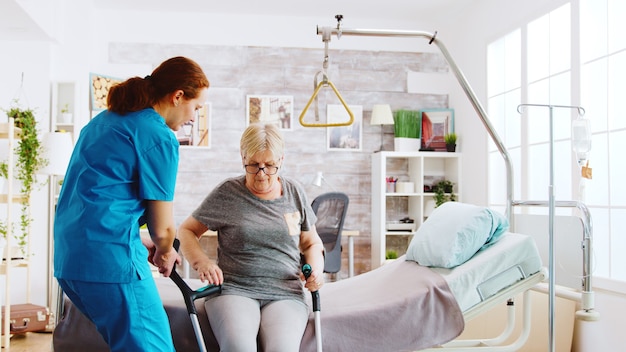
old disabled lady walking with the help of crutches in nursing home while a nurse is takinh care of her

Photo by Freepik

Maintaining cognitive function is a critical aspect of aging in place. Seniors with cognitive decline or dementia may find it more difficult to stay engaged in stimulating activities. Ensuring that seniors continue to challenge their minds and engage in memory-boosting activities can help delay cognitive deterioration and improve overall well-being.

Some activities and strategies include:

  • Memory Games and Mental Exercises: Encourage seniors to engage in puzzles, reading, crossword games, or brain-training apps. In-home care aides can assist with these activities, ensuring they are tailored to the senior’s cognitive abilities and helping them stay mentally active.
  • Establish a Routine: For seniors with dementia or Alzheimer’s disease, maintaining a routine is essential. A consistent daily schedule helps reduce confusion, anxiety, and agitation. Home care aides can help establish a structured routine, including mealtimes, physical exercises, social activities, and rest periods.
  • Music and Art Therapy: Music has been shown to have therapeutic benefits for seniors, particularly those with cognitive impairments. Listening to familiar songs or engaging in creative activities like painting or crafting can stimulate the brain and offer emotional comfort. In-home care aides can help seniors access these therapies in the comfort of their homes.

9. Preparing the Home for Future Health Needs

While making a senior-friendly home is crucial for immediate needs, it’s also important to plan ahead for future health changes. Seniors’ care requirements tend to evolve over time, especially as they age or develop new health conditions. Being proactive in preparing the home for potential future health needs can help seniors maintain their independence for as long as possible.

Incorporating Accessibility for Future Needs

  • Wider Doorways and Hallways: If mobility becomes more difficult in the future, widening doorways or hallways to accommodate wheelchairs or walkers will ensure that seniors can still navigate their homes. Consider expanding these areas early on to avoid delays in making these adjustments when the time comes.
  • Install Adjustable Furniture: Consider furniture pieces that are adjustable, such as electric beds or recliners that make it easier to get in and out of. These types of furniture are particularly useful for seniors who may experience joint pain or difficulty standing up from low chairs or beds.
  • Smart Home Technology for Health Monitoring: As health needs change, consider installing smart home devices that can assist with monitoring health metrics. Devices that track blood pressure, heart rate, or even oxygen levels are becoming more accessible for seniors. Some smart devices can even alert home care aides or family members if there are any abnormalities in a senior’s health metrics.
  • Accessible Bathrooms: If the senior’s mobility continues to decline, further modifications may be needed. For example, roll-in showerslow-threshold tubs, or adjustable showerheads can help seniors bathe independently with less risk of falling. Install seating or non-slip mats to improve safety further.

Planning for the Future of Care

As health needs evolve, it may become necessary to bring in professional help on a more consistent basis. While home care services can assist with daily activities and medical tasks, there may come a time when 24-hour care is required, or more frequent home care visits are needed.

  • Home Care Services as a Transition: When seniors begin requiring additional help, home care services can step in and provide care as the situation changes. In-home care aides can adjust their visits to suit the senior’s needs, whether it’s just a few hours a day or round-the-clock care.
  • Respite Care for Family Caregivers: For families who are the primary caregivers, having access to respite care services is essential. It offers family members a break from caregiving responsibilities, ensuring that they don’t experience burnout while still providing care for their loved one.

End-of-Life Care Planning

It’s also important to consider end-of-life care and have a plan in place that respects the senior’s wishes. This might include discussing options for palliative care or hospice services if the senior is facing a terminal illness. Some seniors prefer to stay at home during this phase, and with home care services, it’s possible to manage pain and offer comfort in the familiar setting of their own home.

10. The Key Role of Home Care in Aging in Place

Ultimately, creating a senior-friendly home isn’t just about physical modifications—it’s about ensuring that seniors receive the support they need to live comfortably and independently. Home care services play a significant role in this process by offering professional care, emotional support, and the flexibility to meet the senior’s evolving needs.

Whether it’s personal caremedication management, or companionshipin-home care aides help seniors maintain their dignity, independence, and well-being while aging in place. By working with home care agencies like Always Best Care, families can create a plan that supports their loved ones, ensuring they stay safe, healthy, and engaged at home for as long as possible.

Viewing Message: 1 of 1.
Warning

Important: Read our blog and commenting guidelines before using the USF Blogs network.